



Fall in Pittsburgh has a lot going for it: cooler days, changing leaves, football weekends, and a perfectly reasonable excuse to put off yard work until “next weekend.” But while you’re enjoying peak fall, your house could use a little attention before Pittsburgh winter does what Pittsburgh winter does.
The Fraser Team knows what it means to own a home in a place where fall gets wet and winter gets cold, and what to do to make sure none of it hits your home too hard. As we always tell our clients, a good home maintenance checklist is important to prevent weather-related issues in the fall and winter by inspecting various areas of your home before cold weather hits.
A little maintenance now can help prevent leaks, frozen pipes, heat loss, and the kind of expensive January surprise nobody wants.
So, before the first serious freeze rolls through, here’s what deserves your attention.
1. Clean Your Gutters and Check Your Downspouts
Those colorful leaves look much better on the trees than packed into your gutters.
Clogged gutters can prevent rainwater and melting snow from draining properly, sending water where you definitely don’t want it: around your roof, siding, foundation, or basement.
Clear out leaves, sticks, and debris, then make sure your downspouts are securely attached and directing water away from the foundation. While you’re up there (or while a professional is up there!!) look for sagging sections, loose fasteners, or other signs that the gutters need attention.
Fall in Pittsburgh can be wet, so good drainage isn’t just a winter concern. It matters right now.
2. Give the Roof a Once-Over
Your roof is about to spend several months dealing with rain, wind, snow, ice, and Pittsburgh’s charming habit of changing weather personalities overnight.
Look for missing, cracked, curling, or damaged shingles, as well as flashing that appears loose or compromised. Inside the house, check the attic and upper floors for water stains, damp spots, or other signs that moisture may be getting in.
You don’t necessarily need to climb onto the roof yourself. In fact, please don’t turn your home maintenance chores into a parkour moment. If anything looks questionable from the ground, bring in a qualified professional to inspect it.
3. Get Your Heating System Ready
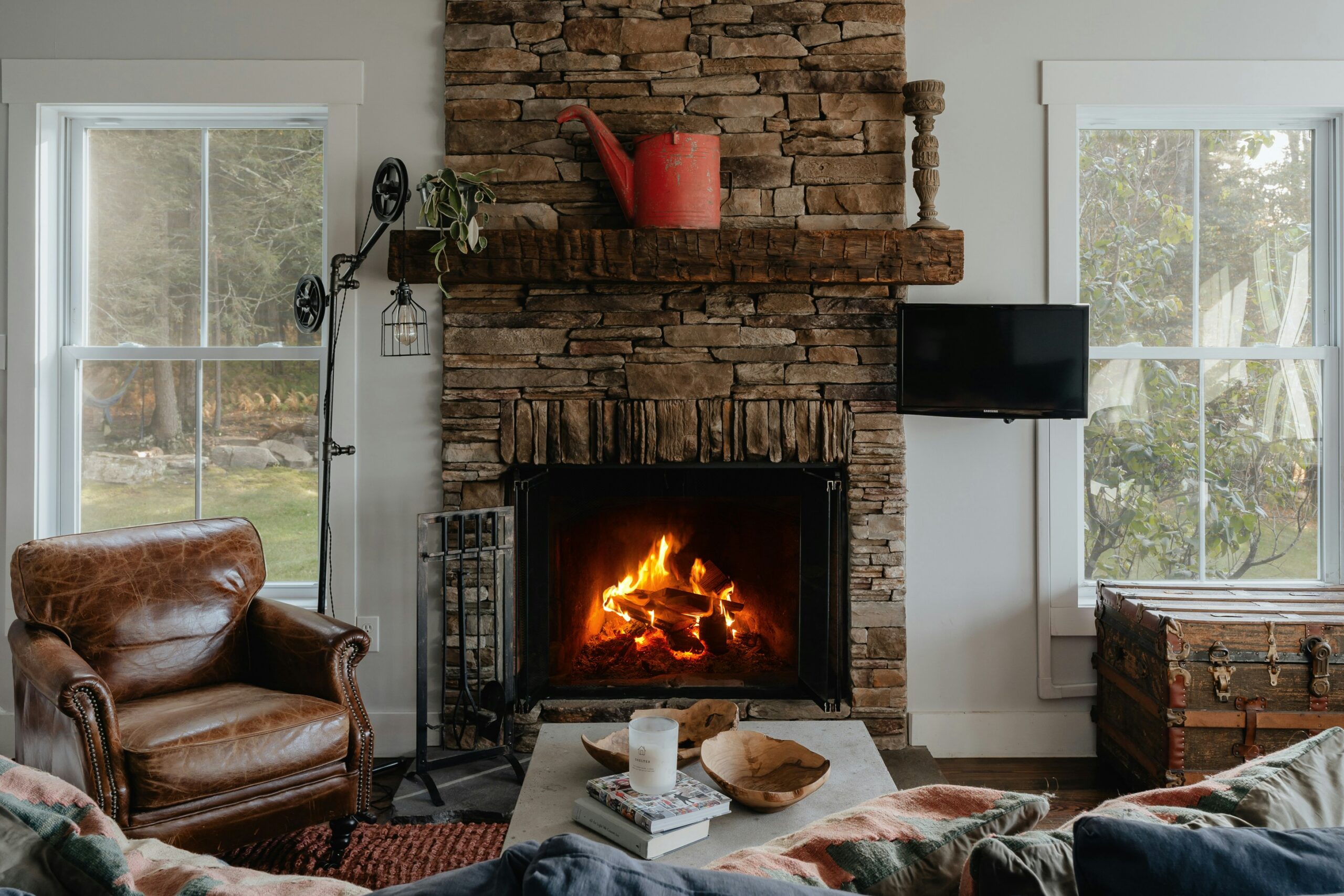
The first truly cold night is a terrible time to discover that your furnace has opinions different from your own.
Before temperatures drop, replace or clean your HVAC filter and consider having the system professionally serviced. A technician can check that everything is operating safely and efficiently before you start relying on it every day.
If your home has radiators or another type of heating system, make sure you know what seasonal maintenance it requires. While you’re thinking about heat, check your thermostat settings and make sure vents or radiators aren’t blocked by furniture.
The best tips for smart homeowners are usually simple, and here’s one we’re always giving our friends: deal with heating issues before every HVAC company in Pittsburgh is fielding the exact same “our heat stopped working” phone call.
4. Protect Pipes and Outdoor Faucets
Frozen pipes can go from minor inconvenience to expensive mess very quickly.
Disconnect garden hoses, drain them, and store them for the season. Shut off and drain exterior faucets if your home’s plumbing setup allows for it, and consider insulated covers for exposed outdoor spigots.
Inside, pay attention to pipes running through basements, crawl spaces, garages, exterior walls, or other areas that get particularly cold. Exposed pipes in vulnerable areas may benefit from insulation.
Knowing where your main water shutoff valve is located is also worth adding to your homeowner knowledge bank. Hopefully you never need it in a hurry. If you do, you’ll be very glad you aren’t asking ChatGPT for its location while water is actively going somewhere it shouldn’t.
5. Check Windows and Doors for Drafts
Older Pittsburgh homes have character. Sometimes that character is gorgeous original woodwork. Sometimes it’s a mysterious breeze coming through a closed window.
Check around windows and exterior doors for noticeable gaps, worn weatherstripping, cracked caulk, or drafts. Sealing problem areas can make rooms more comfortable and reduce the amount of heated air escaping once winter arrives.
This is one of those tasks that can seem small until January arrives and your heating system is working overtime because half the warm air is trying to move to the sidewalk.
6. Walk Around the Exterior
Take a slow lap around your property and actually look at it. You’d be surprised what you notice when you’re not just sprinting from the car to the front door.
Check siding, trim, masonry, steps, railings, walkways, and the foundation for visible deterioration or damage. Small cracks and openings can become bigger problems when water gets inside and repeatedly freezes and thaws.
Trim branches that are dead, damaged, or hanging dangerously close to the house, roof, driveway, or utility lines. For larger trees or branches near power lines, leave the work to the professionals.
And while you’re outside, put away or secure patio furniture, planters, tools, and anything else you don’t want becoming part of the neighborhood during the first serious windstorm.
7. Test Your Smoke and Carbon Monoxide Detectors
As heating systems, fireplaces, and other fuel-burning appliances get more use, fall is a good time to test smoke and carbon monoxide detectors throughout your home.
Replace batteries if needed and check the manufacturer’s guidance to see whether any detectors have reached the end of their recommended service life.
It only takes a few minutes. Put it on the list.
8. Prep for Snow and Ice Before You Need To
Nobody wants to be hunting for an ice scraper or discovering an empty bag of ice melt while standing in six inches of fresh snow.
While you prepare your house for freezing temperatures, check your snow shovel, snow blower, ice melt, scrapers, and other winter supplies before the forecast gets dramatic. If you use a snow blower, make sure it’s ready to run. If you hire someone for snow removal, confirm arrangements before the season is underway.
Also take note of exterior steps, handrails, and walkways that may become slippery or difficult to navigate in winter.

A Little Maintenance Goes a Long Way
You don’t need to spend every weekend preparing your house for a meteorological apocalypse. You just need to catch the small stuff before Pittsburgh winter gets an opportunity to make it bigger.
Work through your home maintenance checklist while the weather is still manageable. Prioritize anything involving water intrusion, heating, plumbing, drainage, or exterior damage, and bring in a qualified professional when a repair is outside your comfort zone.
Owning a home comes with maintenance, but knowing what to watch for makes the whole thing a lot less chaotic. The Fraser Team works with Pittsburgh buyers and homeowners every day, and we know that understanding a house doesn’t stop once you get the keys. If you have any questions or doubts, contact us: we’ll be happy to help!
Take care of your home now. Then you can get back to enjoying fall in Pittsburgh without wondering whether your gutters are quietly plotting against you.
Frequently Asked Questions
What home maintenance should I do before winter?
Before winter, check your roof and gutters, heating system, pipes, outdoor faucets, windows and doors, smoke and carbon monoxide detectors, and exterior areas for damage. Addressing problems in the fall can help prevent more expensive repairs during cold weather.
When should I start fall home maintenance?
Early to mid-fall is a good time to begin seasonal home maintenance. Try to complete weather-sensitive tasks before temperatures regularly fall below freezing.
How should I prepare my Pittsburgh home for winter?
Focus on drainage, heating, insulation, plumbing, and exterior protection. Clean gutters, check your roof, service your heating system, seal drafts, protect vulnerable pipes and faucets, and prepare for snow and ice.
Why is cleaning gutters important before winter?
Clean gutters help rain and melting snow drain away from your home. Clogged gutters can contribute to water backup, leaks, ice buildup, and moisture problems around the roof and foundation.
How can I prevent frozen pipes in winter?
Insulate vulnerable pipes, disconnect outdoor hoses, prepare exterior faucets for freezing temperatures, and keep your home adequately heated. Homeowners should also know where the main water shutoff valve is located in case a pipe bursts.
What should be included on a fall home maintenance checklist?
A fall home maintenance checklist should cover the roof, gutters and downspouts, heating system, plumbing, windows and doors, exterior surfaces, safety detectors, landscaping, and snow and ice preparation.