The Hidden Costs of Buying a House in Pittsburgh
When it comes to buying a house, most people spend months thinking about one number: the down payment.
How much do you need? Three percent? Five percent? Twenty percent?
It's an important piece of the puzzle, but it's far from the whole picture. The hidden costs of buying a house can catch buyers off guard, especially if you're a Pittsburgh first-time homebuyer navigating one of the country's oldest housing markets.
The good news? None of these expenses should come as a surprise if you're working with the right team.
What are the hidden costs of buying a house?
The hidden costs of buying a house are the expenses beyond your down payment and monthly mortgage. They include closing costs, transfer taxes, inspections, insurance, property taxes, municipal requirements, and the ongoing costs of owning and maintaining your home.
Many buyers budget for the purchase price but underestimate everything that happens before closing, and during the first year of homeownership. Understanding these costs upfront makes it much easier to buy with confidence instead of scrambling at the finish line.
We believe there should be no surprises on closing day. Our job is to help buyers understand every cost before they make an offer, so they can focus on finding the right home instead of worrying about unexpected expenses.
Transfer taxes can be one of the biggest closing costs
One of the first surprises for many buyers is Pennsylvania's realty transfer tax.
In Allegheny County, the total transfer tax can range from roughly 2% to 5% of the purchase price. Every sale in Pennsylvania includes the state's 1% realty transfer tax, but local municipalities and school districts can add their own taxes.
For example, a home in the City of Pittsburgh is subject to a combined 4% transfer tax (1% state, 2% city, 1% school district), while homes in many surrounding municipalities may have a lower total rate.
That means two homes with the exact same price can have very different closing costs simply because they're located in different municipalities. How that cost is divided between buyer and seller depends on local custom and what's negotiated in the purchase agreement.
So, before you start picking paint colors and naming the guest room, make sure you know your real cash-to-close number. It's one of the easiest ways to avoid that "wait...I owe how much at closing?" moment that catches so many buyers off guard.
Pittsburgh homes deserve more than a basic inspection
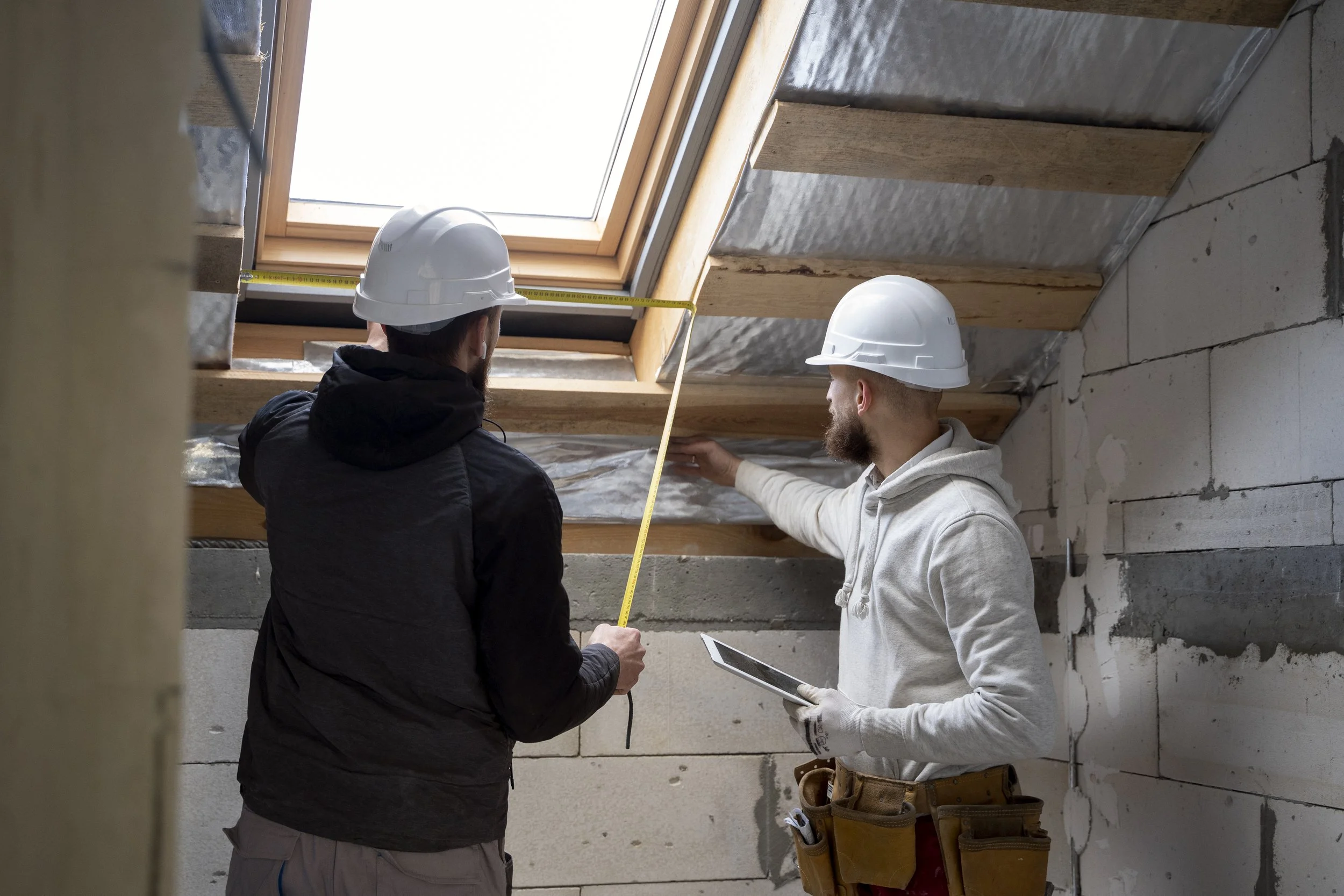
A general home inspection is one of the smartest investments you'll make during the buying process.
But as anyone familiar with Pittsburgh real estate knows, our housing stock has character—and sometimes that character comes with aging infrastructure.
Depending on the property, buyers may also want specialized inspections for items like:
Sewer lines
Roof condition
Structural concerns
Mold or moisture
Radon
Pest activity
Not every home will need additional inspections, but older homes can reveal expensive issues that aren't obvious during a showing.
Spending a few hundred dollars on inspections today can help you avoid paying thousands for unexpected repairs after closing.
Your monthly payment is more than your mortgage
It's easy to focus on the listing price, but that's only part of the financial picture.
Your monthly housing costs may include:
Principal and interest
Property taxes
Homeowners insurance
Private mortgage insurance (PMI), if applicable
HOA or condominium fees
Regular maintenance
This is why two $300,000 homes don't always cost the same to own.
Different municipalities have different tax rates, insurance costs can vary from property to property, and HOA fees can significantly change your monthly budget.
That's why one of our favorite Pittsburgh homebuying tips is: shop based on your total monthly payment, not just the purchase price.
Older homes can affect your insurance costs
Pittsburgh is filled with beautiful historic homes, and that's part of what makes this city so unique.
Original hardwood floors? Gorgeous.
Detailed woodwork? Yes, please.
Original electrical wiring? Now that's a conversation.
Insurance companies look closely at factors like the age of the roof, electrical systems, plumbing, previous water damage, and other property risks when determining coverage and pricing.
That doesn't mean older homes are bad investments. Many are exceptionally well built.
It simply means buyers should understand that older homes sometimes require additional documentation, repairs, or higher insurance premiums than newer construction.
The first year of homeownership is usually the most expensive
Closing on your home isn't the finish line, it's the beginning.
Even when everything goes smoothly, most new homeowners spend more than they expect during the first year.
You may find yourself buying paint and supplies, furniture, storage solutions, appliances (and always, always, a dehumidifier, because Pittsburgh basements in the summer, IYKYK)...the list goes on.
Then come all the purchases nobody thinks about until they're standing in the middle of an empty house with one roll of paper towels and zero tools.
New locks, a ladder, a hose, smoke detectors, that one trip to the hardware store that somehow turns into a $300 receipt.
None of these expenses are huge on their own, but together, they add up fast. Having a little money set aside means you can enjoy your new home instead of stressing over every unexpected purchase.
Municipal requirements can change from one neighborhood to the next
One of the more unique aspects of buying a home in Allegheny County is that every municipality has its own rules.
Depending on where you're buying, you may encounter occupancy inspections, sewer dye tests, point-of-sale requirements, and local municipal certifications.
Crossing a municipal boundary can completely change your closing checklist.
That's why working with a local real estate team matters. Understanding these requirements early helps avoid delays and ensures buyers know exactly what's expected before closing day.
Budget for the house, not just the purchase price
Buying a home is exciting, but it's also one of the biggest financial decisions most people will ever make.
Before you fall in love with a house, ask yourself:
Can I comfortably afford the closing costs?
Have I budgeted for inspections?
Am I prepared for property taxes and insurance?
Do I have money set aside for repairs and first-year expenses?
If the answer is yes, you're putting yourself in a much stronger position for long-term success.
With the Fraser Team, buyers are walked through these conversations every day. We want you to understand every number—not just the ones on the listing sheet—so you can move into your new home feeling prepared, not surprised.
Ready to start planning your purchase? Learn more about why buyers choose to work with us or get in touch with us and let’s talk.

Frequently Asked Questions
What hidden costs should I expect when buying a house in Pittsburgh?
Beyond your down payment, buyers should budget for transfer taxes, inspections, closing costs, homeowners insurance, property taxes, and first-year maintenance expenses. Depending on the municipality, there may also be additional inspections or local requirements before closing.
How much are transfer taxes in Pittsburgh?
The total realty transfer tax in Allegheny County generally ranges from about 2% to 5% of the home's purchase price, depending on the municipality and school district. The amount each party pays is determined by local custom and the terms negotiated in the purchase agreement.
Do I need more than a standard home inspection?
Not always, but many older Pittsburgh homes benefit from additional inspections. Sewer scopes, roof evaluations, radon testing, and moisture inspections can identify issues that aren't visible during a standard walkthrough and may save you significant money in the long run.
Why does my monthly payment differ from another home with the same price?
The purchase price is only one part of your monthly housing costs. Property taxes, insurance premiums, HOA fees, and PMI can vary significantly from one property to another, making two similarly priced homes very different in terms of monthly affordability.
How much should I budget after closing?
Many homeowners spend several thousand dollars during their first year on furniture, paint, maintenance, tools, landscaping, and unexpected repairs. Having a dedicated maintenance fund can make the transition into homeownership much less stressful.